Shockwave Therapy
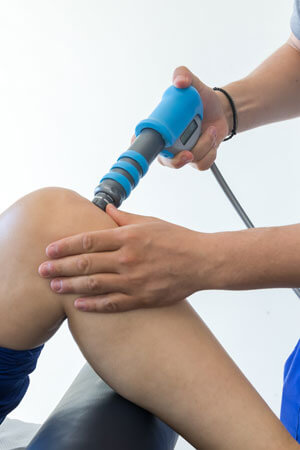 As an effective nonsurgical chiropractic option, Shockwave Therapy utilizes spurts of highly pressured acoustic (sound) waves to deliver a powered force to painful areas of the body. In addition to alleviating chronic pain, this state-of-the-art therapy may also help improve range of motion and reduce muscle tension.
Experience Pain Relief
Shockwave Therapy promotes healing and may provide relief from an array of painful conditions such as
- Achilles tendonitis
- Bursitis
- Fibromyalgia
- Osteoarthritis
- Plantar fasciitis
- Tennis elbow
What Is the Process Like?
Using a handheld device, we’ll focus acoustic waves toward your problem area. Patients often describe the session as painless, though depending on your specific area, light discomfort may be felt. The process is quick, taking less than ten minutes to complete.
Will It Work for Me?
As every person responds differently to care, we can’t guarantee that Shockwave Therapy will work for you. However, according to results seen at different chiropractic clinics, this therapy may help up to 90% or more patients experience long-lasting pain relief.
Frequently Asked Questions
What is Shock Wave Therapy (ESWT) and how does it work?
Shock Wave Therapy (ESWT) uses targeted acoustic (sound) waves to stimulate a healing response in stubborn soft-tissue injuries. The pulses create a controlled “micro-stimulus” that can increase local circulation, encourage tissue remodelling, and help calm pain signals. There’s no electric shock, just mechanical energy delivered through the skin.
What conditions is it commonly used for?
ESWT is often used for persistent tendon and soft-tissue problems such as plantar fasciitis/heel pain, Achilles or patellar tendon pain, tennis/golfer’s elbow, rotator cuff tendinopathy, hip/greater trochanteric pain, and, in some cases of calcific shoulder tendinitis and myofascial trigger points. Your clinician will confirm whether your diagnosis fits.
Why choose ESWT before injections or surgery?
Many people like ESWT because it’s non-invasive, doesn’t involve medication, and typically requires little to no downtime. It can be a useful next step when rest, rehab, or manual care haven’t been enough and before considering more invasive options.
What happens during a session?
We examine the area, identify the most tender points, apply gel, and then deliver a set number of pulses with a handheld applicator. Most visits take about 15-20 minutes, with the active treatment usually 5-10 minutes per area.
How many sessions do people usually need, and when might they notice a change?
Many plans involve three to five sessions spaced about a week apart, but this varies by condition and how long you’ve had symptoms. Some people notice improvement early; others feel change more gradually over several weeks as tissues remodel.
Are there side effects or reasons someone shouldn’t do ESWT?
Common short-term effects include redness, mild swelling, bruising, or an achy “worked” feeling for 24-48 hours. ESWT may not be appropriate during pregnancy (near the abdomen/low back), with active infection/open wounds in the area, certain clotting/bleeding issues, high-dose blood thinners, known tumours in the treatment area, recent steroid injection in the same spot, or near growth plates in children. We’ll review your history first.
How does it fit with chiropractic and rehab care?
We may combine ESWT with adjustments, laser, manual therapy, and progressive loading exercises. The goal is to support the tissue locally while also improving joint motion, movement patterns, and long-term resilience.
How do you decide if I’m a good candidate?
We look at how long symptoms have been present, whether the pain is well-localized, your exam findings, and your medical history. ESWT is often best for chronic, well-defined tendon/soft-tissue pain that hasn’t responded to simpler care.
What should I do before/after a session?
Come as you are; wear clothing that allows access to the area. Afterward, avoid icing and anti-inflammatory meds (unless your doctor advises otherwise) for about 48 hours, and keep activity “light” for a day or two, especially high-impact exercise.
What does it cost, and how do I schedule?
Costs and packages vary by case. Contact our office to book an evaluation so we can confirm candidacy and outline a plan.
Book an Appointment
If you’d like to learn more about Shockwave Therapy contact our practice today to schedule an appointment.
CONTACT US