Neuropathy
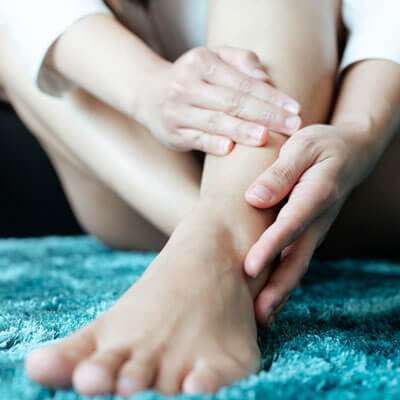 Neuropathy is a condition characterized by nerve damage, which can lead to many symptoms, including pain, numbness, tingling, and muscle weakness. This condition has various causes, such as diabetes, chemotherapy, alcohol abuse, and vitamin deficiencies.
Our Natural Approach
While there is no cure for neuropathy, there are natural ways to help relieve the symptoms. One such approach is chiropractic care. This type of natural care is often recommended, because it may help improve nerve function and reduce inflammation.
Chiropractors use various techniques to address this condition that affects the nerves. Other helpful approaches include massage, stretching, and electrical stimulation.
These techniques may help reduce pain and improve nerve function. In addition, chiropractors may also recommend lifestyle changes, such as exercise and stress reduction, to help manage neuropathy.
Frequently Asked Questions
What is peripheral neuropathy; what symptoms are common, and what causes it?
Peripheral neuropathy is nerve irritation or damage outside the brain and spinal cord, often felt first in the feet or hands. It may involve sensory nerves (feeling), motor nerves (movement), and sometimes autonomic nerves (automatic functions like blood pressure or digestion). Common symptoms include tingling, burning, numbness, pins-and-needles, sharp/electric pain, touch sensitivity, weakness, clumsiness, or balance changes. Causes can include diabetes or blood sugar issues, nerve compression, vitamin deficiencies (especially B vitamins), certain medications (including some chemotherapy drugs), alcohol/toxin exposure, autoimmune conditions, and trauma or scar tissue.
What underlying causes do you commonly see in a chiropractic clinic?
Most often: mechanical compression (spine or peripheral entrapment), metabolic stress (diabetes/prediabetes), nutritional factors (B12 and other deficiencies), and post-injury/post-surgical irritation (including scar tissue and changed gait).
How is your approach different from just masking symptoms?
Some options focus on turning down pain signals. Our goal is to improve the “inputs” that affect nerve function—joint mechanics, mobility, circulation support, and practical lifestyle factors—so the nervous system has a better environment to recover.
What assessment steps do you perform?
We begin with a detailed history and exam, then may check sensation, reflexes, and strength, review posture and spinal motion, assess gait and balance, and screen for circulation-related concerns. This helps confirm likely contributors and whether co-management is needed.
What treatments might be included?
Plans may combine low-force spinal/extremity adjustments, soft-tissue work, guided nerve-gliding (“flossing”) exercises, and supportive recommendations around movement, footwear, and nutrition. When appropriate, therapies such as laser, shockwave, or acupuncture may be used to support comfort, circulation, and function.
What home care do you recommend?
Steady low-impact movement for circulation, basic balance/strength drills, daily foot checks, safe footwear (no barefoot if sensation is reduced), posture habits, hydration, and, when relevant, blood sugar and nutrition basics.
What timeline is realistic, and what affects outcomes?
Improvement is usually gradual. Some people notice changes in comfort earlier; bigger functional gains often take weeks to months. Results depend on how long symptoms have been present, the underlying cause (and whether it’s managed), overall health, and consistency.
What risks are there if neuropathy isn’t addressed?
It may increase fall risk and make injuries more likely to go unnoticed. In diabetes, reduced sensation plus circulation challenges can raise the risk of slow-healing wounds and ulcers.
When is referral necessary, and how do you coordinate?
We refer for rapidly worsening symptoms, major one-sided changes, significant weakness/foot drop, vascular red flags (cold/discoloured skin, non-healing wounds), or bowel/bladder changes. If needed, we share findings and coordinate care with medical specialists.
How do you track progress and support whole-body wellness?
We monitor symptom trends and objective measures such as sensation screening and gait/balance tests, while also addressing posture, spinal mobility, strength, and lifestyle factors that influence nerve health.
Book an Appointment
If you suffer from symptoms of neuropathy, we want to help. Contact us today to schedule an appointment.
CONTACT US